

July 2026
Across Latin America, training a farmer is the first step toward sustainable agriculture. The real challenge has two dimensions. The first is ensuring that knowledge is properly understood, internalized, and put into practice so that it leads to lasting behavioral change and the adoption of good agricultural practices. The second is reaching thousands of producers scattered across rural areas, often far from urban centers and living in highly diverse cultural contexts.
A Regional Methodology with Local Adaptation
For more than three decades, CuidAgroSM has promoted the responsible management of crop protection products and the adoption of good agricultural practices throughout Latin America.
Building on this experience, CropLife Latin America developed the Center of Excellence for Master Trainers and coordinates its implementation together with national member associations, agricultural authorities, educational institutions, development cooperation organizations, and organized farmer groups.
CropLife Latin America provides the educational methodology, technical content, virtual learning platform, regional support, and a co-financing framework. National associations, in turn, identify local partners, select participants, tailor the training to each country's specific needs, and provide ongoing support to trainers as they work with farmers in the field.
This collaborative approach ensures a consistent regional technical foundation while addressing the unique priorities and realities of each country.
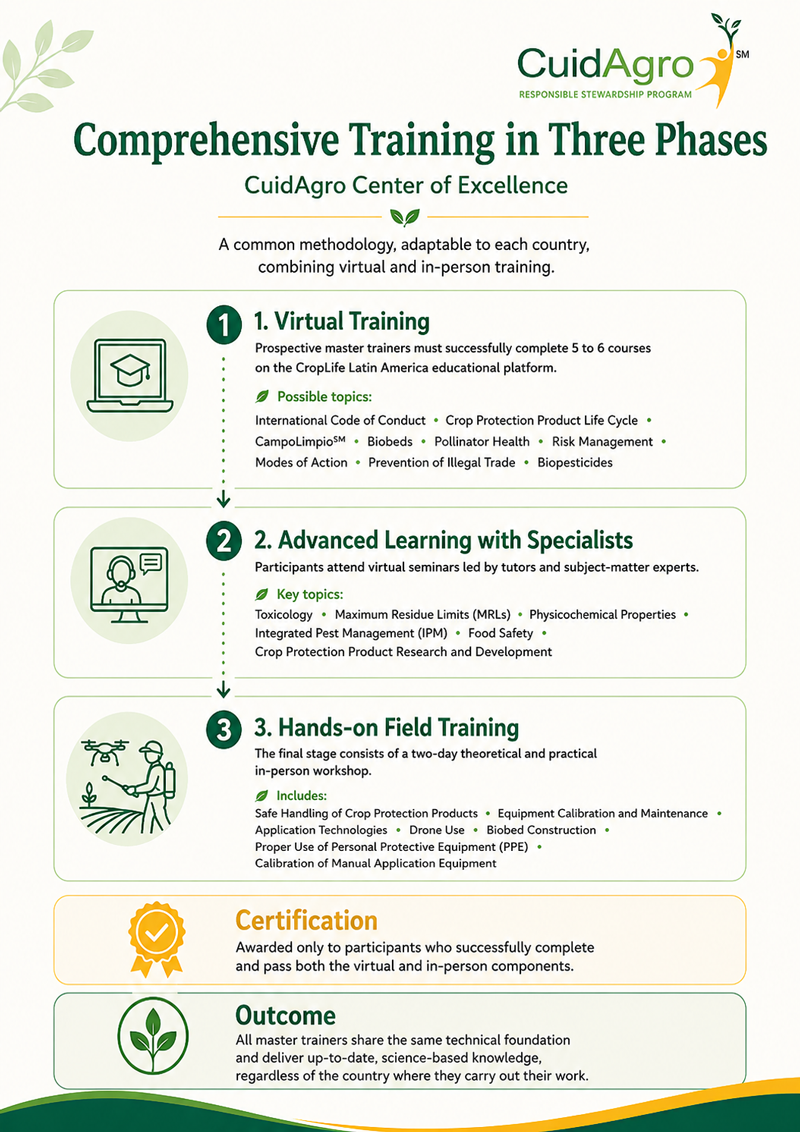
Comprehensive Training in Three Phases
The program is built around a common methodology that can be adapted to each country, combining virtual and in-person learning.
Virtual Training
Prospective master trainers must successfully complete five to six courses available on CropLife Latin America's educational platform. Course topics may include the International Code of Conduct on Pesticide Management, the crop protection product life cycle, CampoLimpioSM, biobeds, pollinator health protection, risk management, pesticide modes of action, prevention of illegal trade, and biopesticides.
Advanced Learning with Specialists
sessions cover topics such as toxicology, maximum residue limits (MRLs), physicochemical properties of crop protection products, integrated pest management (IPM), food safety, and the research and development process for crop protection products.
Hands-on Field Training
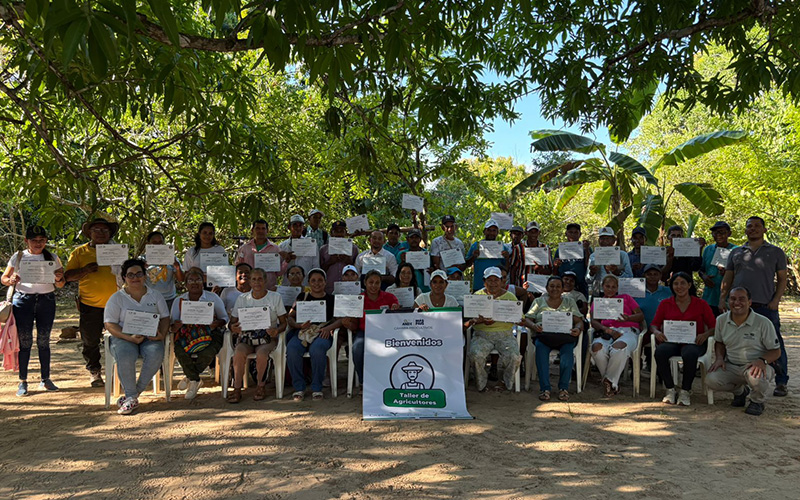
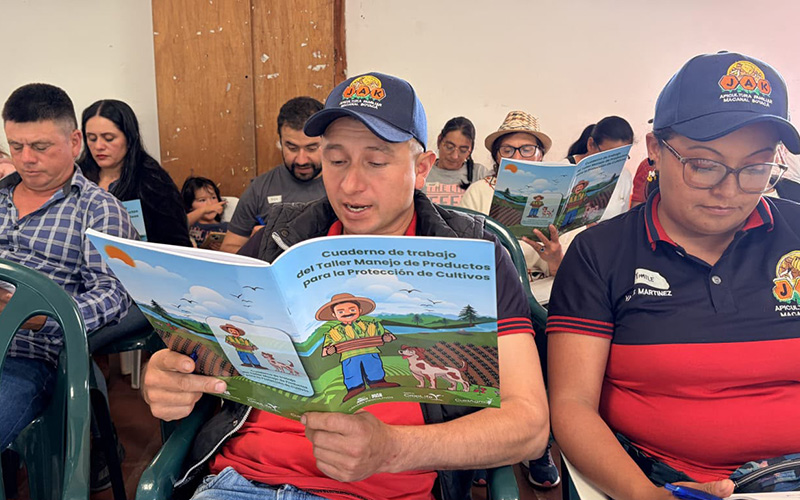
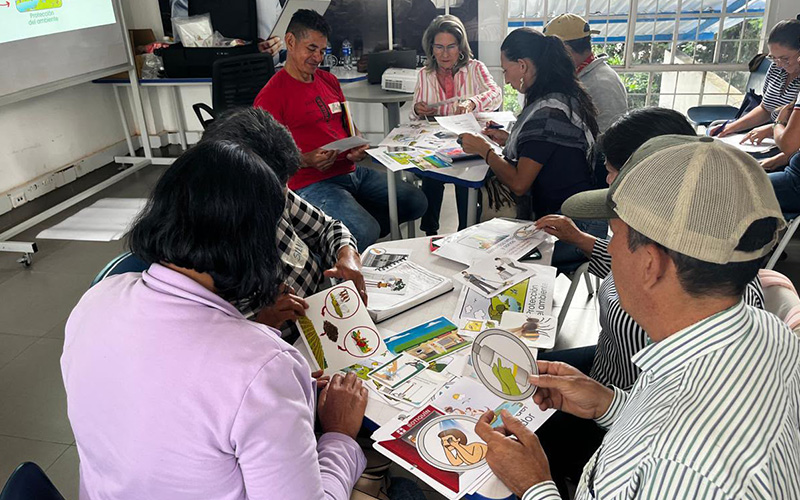
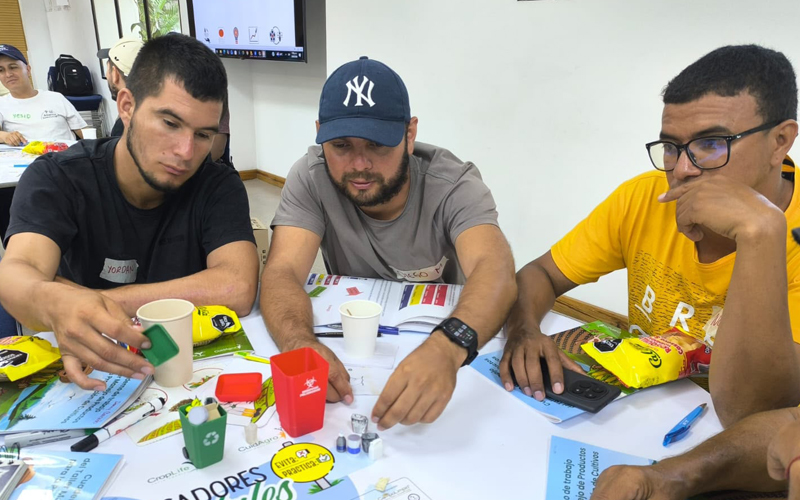
The final stage consists of a two-day in-person theoretical and practical workshop. During this training, participants receive instruction in the safe handling of crop protection products, equipment calibration and maintenance, application technologies, and drone use.
The program also includes practical field exercises such as building biobeds, correctly using personal protective equipment (PPE), and calibrating manual pesticide application equipment.
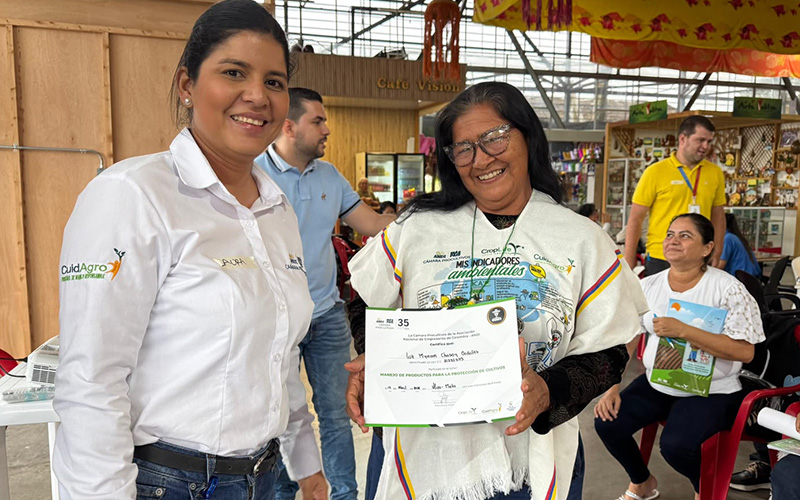
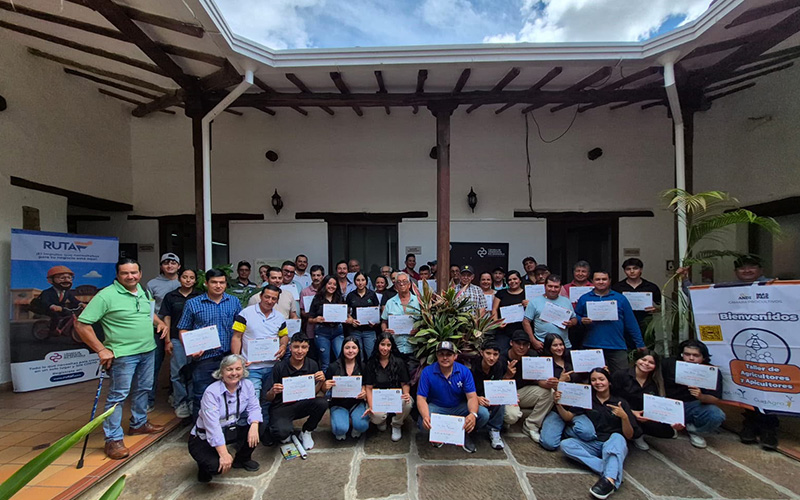
Certification is awarded only to participants who successfully complete both the virtual and in-person components, ensuring that every master trainer shares the same technical foundation. As a result, regardless of the country where they work, they will receive and disseminate up-to-date, science-based knowledge.
To help address this challenge, CropLife Latin America created the CuidAgroSM Center of Excellence for Master Trainers, a regional model that strengthens the capacity of agricultural technicians, extension agents, and local leaders by training them as trainers who can transfer their knowledge to other farmers within their own communities.
"This is one of CropLife Latin America's flagship sustainability and shared responsibility initiatives. Its value lies in building local capacity that remains within communities and continue multiplying good agricultural practices over time," explains Gabriela Briceño, Director of the CuidAgroSM and CampoLimpioSM programs.
A Model That Transforms Training into Impact
Between 2023 and 2026, the CuidAgroSM Center of Excellence supported activities in seven countries and trained nearly 883 master trainers.
Thanks to the subsequent work of these agricultural technicians and local leaders, the initiative has reached more than 47,000 beneficiaries across rural communities.
The model has mobilized a combined investment of USD 170,000, including USD 70,000 contributed by industry and USD 100,000 secured through locally mobilized resources. The estimated average cost is USD 3.64 per beneficiary, demonstrating the efficiency of the cascade training model.
Beyond expanding its reach, the program also enables the systematic collection of data on training activities, participants, and outcomes. This monitoring framework enhances transparency, facilitates evidence-based reporting to government authorities and partners, and supports the continuous improvement of the methodology.
Learn more about CuidAgroSM Here
In Ecuador, InnovAgro implemented the program in partnership with the Ministry of Agriculture and Livestock. Between 2024 and 2025, 160 master trainers were certified, primarily agricultural technicians with the capacity to provide direct support to farmers throughout different regions of the country.
The combination of virtual and in-person training enabled the integration of the CuidAgroSM methodology into capacity-building programs carried out jointly with the Ministry. InnovAgro also works with Agrocalidad to continue expanding the network of trainers.
According to Fernando García, Executive Director of InnovAgro Ecuador, the program has the potential to reach between 25,000 and 30,000 farmers. Among the challenges that still require attention, he highlights the proper use of personal protective equipment (PPE) and compliance with pre-harvest intervals.
The Financing for Agrochemical Reduction and Management (FARM) project has also adopted the CuidAgroSM methodology to strengthen the capacities of Ministry of Agriculture technical staff through workshops held in several cities.
Gastón Zambrano and Santiago Rosero, representatives of the FARM project, particularly emphasize the training on resistance management strategies, including the rotation of active ingredients and modes of action.
In El Salvador, the Agricultural Suppliers Association (APA) implements the initiative under the name CuidAgroSM Excellence Program.
Its strategy focuses on identifying agricultural technicians and community leaders who have already earned the trust and recognition of local farmers. In this way, knowledge is not delivered solely by an external institution but through individuals who understand the productive and social realities of their communities.
"A master trainer must possess not only technical knowledge but also leadership skills and the ability to communicate effectively with farmers," explains Miguel Villeda, Director of APA.
The program works with small-scale farmers, students from the National School of Agriculture, and partners such as Fundazúcar, coffee cooperatives, municipal governments, and the National Center for Agricultural and Forestry Technology (CENTA).
In El Salvador, one of the main challenges identified is the proper calibration and maintenance of application equipment. Incorrect application rates can reduce treatment effectiveness, increase production costs, make it more difficult to comply with the maximum residue limits (MRLs) required by certain international markets, and contribute to the development of resistance.
Partnerships, Monitoring, and Evidence
In Paraguay, the Crop Protection and Fertilizer Chamber (CAFYF) implements the Center of Excellence in partnership with the Inter-American Institute for Cooperation on Agriculture (IICA).
Participants are selected based not only on their knowledge of good agricultural practices but also on their experience in facilitating groups and their ability to transfer knowledge effectively.
During the first call for applications, 70 candidates applied, and 14 agricultural technicians were selected to participate in the in-person training component. After certification, CAFYF maintains regular virtual update meetings and a permanent communication channel to encourage continuous knowledge exchange among trainers.
Monitoring continues once master trainers begin working in the field. Every training activity is documented through attendance records, photographs, and reports uploaded to a shared online platform.
This system recorded 23 training sessions during the past year, reaching 750 participants, including grain producers, small fruit and vegetable growers, students, and women's organizations.
According to Helena Valdovinos, Technical Coordinator at CAFYF, one of the program's most valuable modules is the Ten Steps for the Responsible Management of Crop Protection Products.
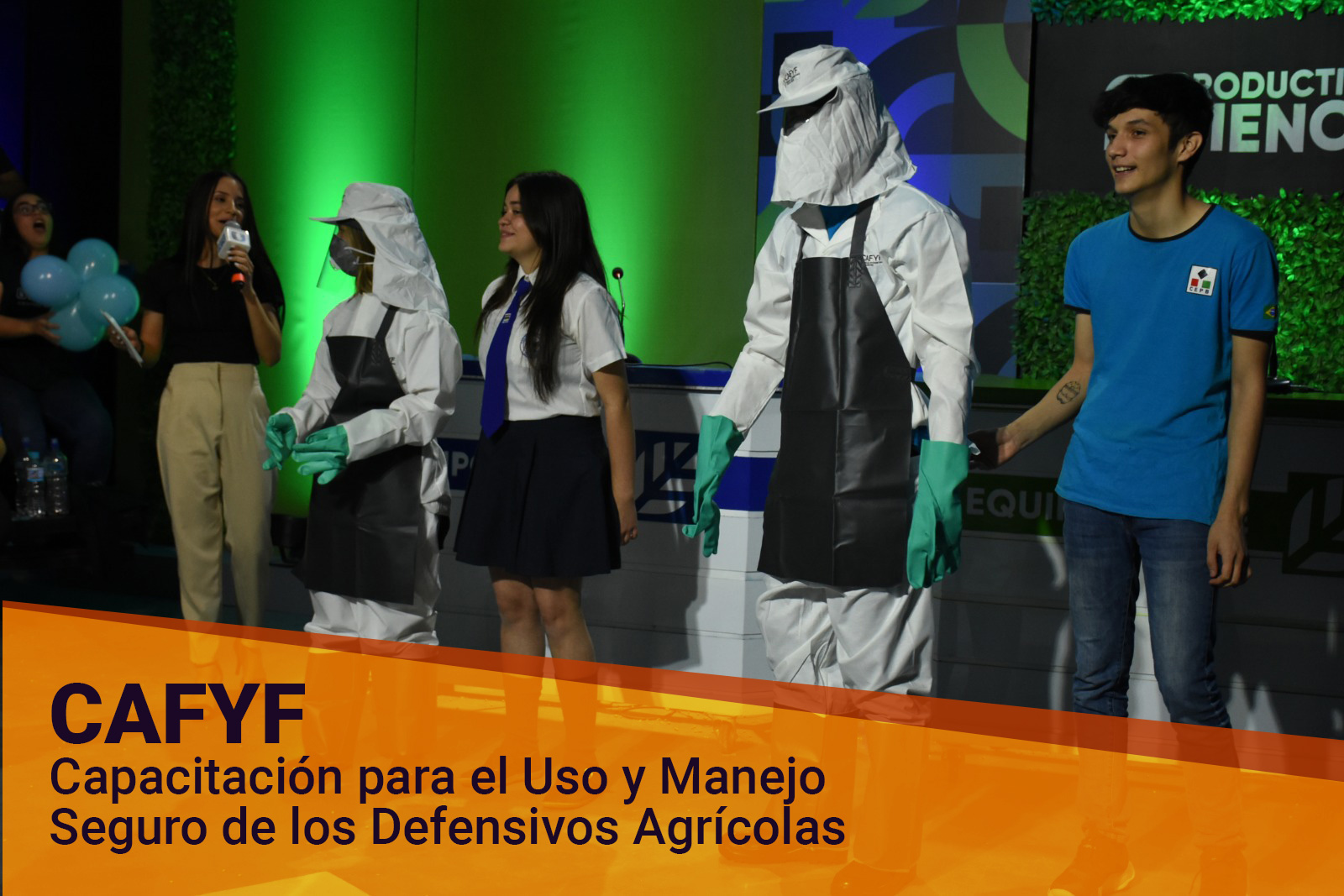
Pamela Giménez, consultant for the CAFYF Center of Excellence, also highlights the importance of practical demonstrations. Showing participants how to build a biobed, properly use personal protective equipment, or perform equipment calibration exercises encourages questions and helps explain the scientific rationale behind each recommendation.
Based on her experience, between 35% and 40% of participants demonstrate the potential to become future knowledge multipliers. The main challenges remain encouraging the consistent use of personal protective equipment, promoting the triple rinsing of empty pesticide containers, and increasing the adoption of biobeds.
Photo Gallery
A Network of Knowledge That Lasts in Local Communities
The CuidAgroSM Center of Excellence has also been implemented in countries such as Honduras, Panama, and the Dominican Republic, among others, demonstrating that the model can be successfully adapted to a wide range of agricultural and institutional contexts.
Each country identifies its own priorities. In some regions, the focus is on the proper use of personal protective equipment, equipment calibration, empty container management, resistance prevention, or compliance with pre-harvest intervals.
The regional methodology makes it possible to address these local needs while maintaining the program's consistent technical standards.
The program's greatest achievement is not simply the number of certified participants, but the creation of a regional network of agricultural technicians, extension agents, and local leaders capable of sustaining the training process, building partnerships, and delivering reliable, science-based knowledge to farming communities.
Through CuidAgroSM, CropLife Latin America brings together regional expertise, resources, and experience with the work of its national associations and institutional partners. As a result, training becomes more than a one-time activity—it becomes an ongoing process of knowledge transfer, local ownership, and continuous improvement of agricultural practices.
Because when a master trainer is trained, knowledge does not remain within one individual—it begins to multiply across an entire region.
You may also be interested in: : New Online Course on Biopesticides (available in spanish)
Infographic